
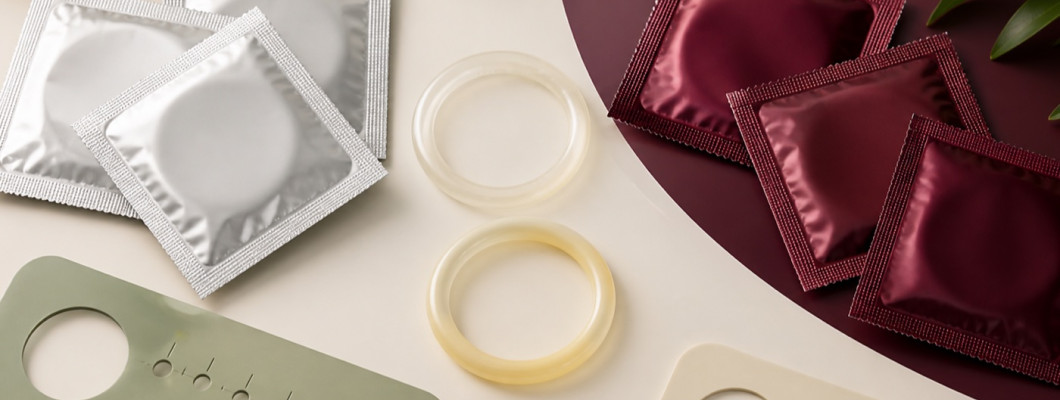
The condoms category includes natural rubber latex and synthetic non-latex options. Material is only one part of choosing.
A confident choice starts with understanding how the design will work in real life—not simply choosing the longest feature list or the most dramatic photograph. This guide breaks the decision into practical checks you can use while comparing products.
When comparing listings, open the specification sections side by side and note what is actually stated. If a measurement, material, compatibility rule or cleaning method is missing, do not fill the gap with an assumption. A simpler product with clear information is often a better purchase than a feature-heavy option you cannot confidently assess.
Quick answer
Choose the right material and nominal width, then check lubricant compatibility, expiry, packet integrity and UK conformity information every time.
What to compare at a glance
Latex condoms
- Latex is widely available in different widths, thicknesses and textures.
- Oil-based products can damage latex, so use a lubricant approved on the packaging.
- A latex allergy or sensitivity requires a suitable alternative rather than simply changing brand.
Non-latex options
- Polyisoprene and other synthetic materials can suit people avoiding natural rubber latex.
- Compatibility rules vary by material, so check the individual label.
- Non-latex does not automatically mean vegan; look for a specific manufacturer claim.
Fit and use
- Width and shape affect comfort and security more than marketing terms such as regular or large.
- Check the expiry date, package integrity and UK approval markings.
- Use a new condom for each act and follow the instructions supplied with the product.
Latex and non-latex materials
Natural rubber latex is widely available, elastic and offered in many widths and textures. People with latex allergy or sensitivity need a suitable non-latex option, not merely a different latex brand.
Polyisoprene and polyurethane-style alternatives differ in stretch, feel and lubricant compatibility. “Non-latex” is a category, not one universal material.
Fit is about nominal width
Condom packaging often lists nominal width—the flat width across the condom—not circumference. A poor fit can feel uncomfortable or increase slipping and breakage.
Marketing terms such as regular, large and snug are inconsistent between brands. Compare the millimetre width and the manufacturer sizing guidance.
Storage, opening and use
Keep condoms away from heat, sunlight and sharp objects. Check the expiry and that the sealed packet contains air and has no tears. Open with fingers rather than teeth or scissors.
Use a new condom for every act, apply before genital contact and hold the base during withdrawal. Follow the supplied instructions and use only a compatible lubricant.
Common mistakes to avoid
- Using oil-based products with latex
- Choosing by “large” or “regular” wording alone
- Keeping condoms long-term in a hot car or wallet
- Using two external condoms together
Before adding to basket
- Check exact measurements rather than photographs
- Confirm material and care instructions
- Review compatibility with anything used alongside it
- Check power, charging and waterproof details where relevant
- Choose a manageable first step, not a future goal
Frequently asked questions
Are non-latex condoms as effective?
Approved products are designed for contraception and STI reduction when used correctly; read the specific label and instructions.
What does nominal width mean?
It is the width of the condom laid flat, usually stated in millimetres.
Can any lubricant be used?
No. Compatibility depends on the condom material. Check both the condom and lubricant labels.
Ready to compare?
Explore condoms, Explore the relevant Lunoria collection and Lunoria Guides & Tips with the practical checks above.