
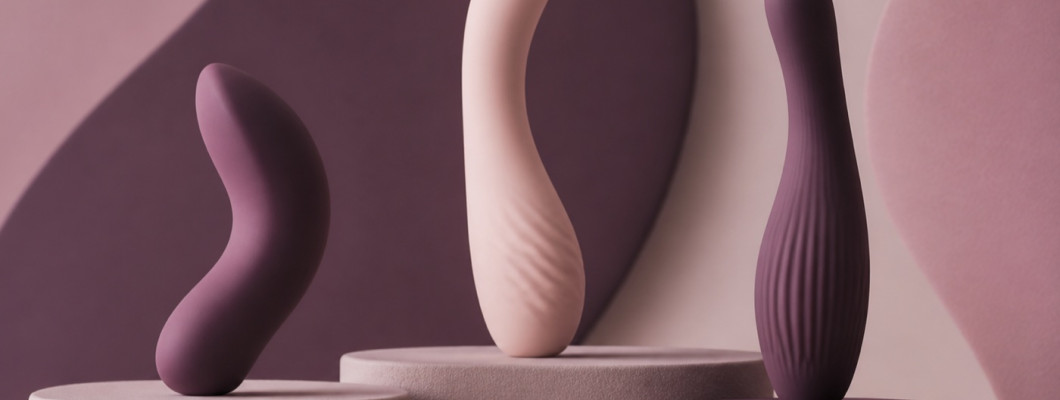
The best way to compare dildos is to separate size, shape, firmness and texture into individual decisions.
A confident choice starts with understanding how the design will work in real life—not simply choosing the longest feature list or the most dramatic photograph. This guide breaks the decision into practical checks you can use while comparing products.
When comparing listings, open the specification sections side by side and note what is actually stated. If a measurement, material, compatibility rule or cleaning method is missing, do not fill the gap with an assumption. A simpler product with clear information is often a better purchase than a feature-heavy option you cannot confidently assess.
Quick answer
Separate the decision into four parts: usable length, maximum width, curve and texture. Change one variable at a time when moving beyond a familiar size.
What to compare at a glance
Read measurements correctly
- Total length includes the base; insertable or usable length is the more relevant comparison.
- Diameter and circumference describe width differently, so do not compare the numbers as though they are the same.
- Rigid materials feel more substantial than flexible materials of the same measured width.
Shape and curve
- A pronounced curve creates more focused pressure, while a straighter profile is easier to position in different ways.
- A tapered tip gives a gradual change in width.
- Double-ended designs require extra attention to total length, flexibility and safe handling.
Texture and features
- Pronounced ribs and veins feel different from a smooth surface even at the same size.
- A vibrating dildo adds motor weight, controls and charging requirements.
- Harness users should compare the flange with strap-on compatible dildos.
Read dimensions without guesswork
Overall length includes bases and handles. Usable or insertable length is the relevant figure for the body. Width may be listed as diameter or circumference: circumference is roughly diameter multiplied by 3.14.
Measure an existing comfortable product for comparison. Product photographs are rarely shown at consistent scale and should not be used to estimate size.
Curve and firmness work together
A strong curve directs pressure towards a smaller area. In a rigid material it stays fixed; in flexible silicone it can adapt and move. A straight design offers more freedom to choose the angle manually.
A tapered tip makes the change in width gradual. A pronounced head or sudden ridge can feel larger than the maximum diameter suggests.
Texture and added features
Ribs, veins and bumps increase surface contact and may feel more intense. A smooth product is easier to reposition and is usually the more predictable first choice.
Vibration adds motor weight and controls. Harness use requires an appropriate stable flange; suction use requires a functional suction base. Decide whether those features will genuinely be used.
Common mistakes to avoid
- Comparing circumference with diameter
- Using product photos as a size guide
- Increasing size and texture at the same time
- Ignoring material firmness
Before adding to basket
- Check exact measurements rather than photographs
- Confirm material and care instructions
- Review compatibility with anything used alongside it
- Check power, charging and waterproof details where relevant
- Choose a manageable first step, not a future goal
Frequently asked questions
What is the difference between total and usable length?
Total length includes any base or handle; usable length is the portion intended for insertion.
Is a curved product always better?
No. A curve creates focused pressure, while a straighter product can be easier to angle in different ways.
How should a beginner choose texture?
A smoother, tapered design is usually more predictable. Texture can be explored later if desired.
Ready to compare?
Explore dildos, vibrating dildo, strap-on compatible dildos and Lunoria Guides & Tips with the practical checks above.